
Let’s talk honestly for a moment. We all want to stay fit, feel energetic, and look good—but not everyone enjoys going to the gym. Some people feel intimidated, some don’t have the time, and others simply prefer the comfort of home. That’s where home exercise routines come in, and trust me, they can be just as effective as gym workouts when done correctly.
In this detailed guide, I’ll walk you through everything you need to know about home exercise routines—how they work, their benefits, possible drawbacks, and how you can make them part of your daily life in a realistic and enjoyable way.
What Are Home Exercise Routines?

Home exercise routines are structured workout plans that you can perform at home without needing gym machines or professional supervision. These routines usually rely on bodyweight exercises, simple movements, and sometimes minimal equipment like resistance bands or dumbbells.
The beauty of home exercise routines is their flexibility. You can design them around your goals—weight loss, strength building, flexibility, or overall health—and adjust them according to your fitness level.
Why Home Exercise Routines Are So Popular Today
Over the years, home exercise routines have gained massive popularity, especially because people want more control over their time and lifestyle. Working out at home removes many common excuses like traffic, gym crowding, or lack of privacy.
Some key reasons people choose home exercise routines include:
- Busy schedules
- Budget-friendly fitness options
- Comfort and privacy
- Freedom to exercise anytime
When fitness fits into your life easily, you’re more likely to stick with it—and that’s the real secret to success.
Essential Components of Effective Home Exercise Routines
To get the best results, your home workouts should be balanced and well-structured.
1. Warm-Up
A proper warm-up prepares your muscles and joints and helps prevent injuries. Simple movements like arm swings, light jogging in place, or jumping jacks work perfectly.
2. Strength Training
Strength exercises build muscle, improve posture, and boost metabolism. Common strength-based home exercise routines include:
- Squats
- Push-ups
- Lunges
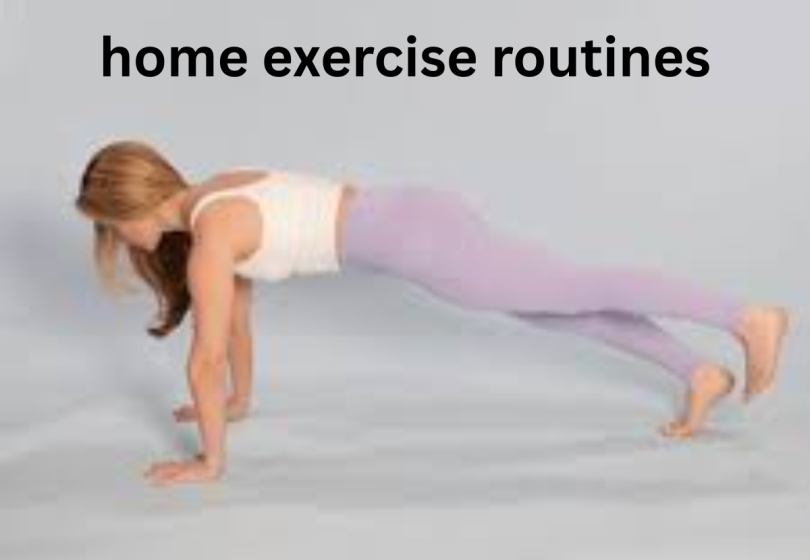
- Planks
3. Cardiovascular Exercises
Cardio improves heart health and burns calories. Popular home-friendly cardio exercises include:
- High knees
- Mountain climbers
- Jumping jacks
- Burpees
4. Flexibility and Cool-Down
Stretching helps your body recover and reduces muscle stiffness. Never skip this part—it’s just as important as the workout itself.
Home Exercise Routines for Different Fitness Goals
Home Exercise Routines for Weight Loss
If weight loss is your main goal, your workouts should include high-energy movements that raise your heart rate. Circuit training and interval workouts are especially effective.
A simple fat-burning routine may include:
- Squats
- Jump squats
- Mountain climbers
- Plank holds
These exercises help burn calories while also strengthening muscles.
Home Exercise Routines for Strength and Muscle Building
Yes, you can build muscle at home. Bodyweight resistance is surprisingly powerful when done correctly.
Focus on:
- Slow, controlled movements
- Increased repetitions
- Progressive difficulty
Over time, these home exercise routines improve muscle tone and overall strength.
Home Exercise Routines for Flexibility and Stress Relief
Not all workouts have to be intense. Yoga-based and stretching routines are excellent for relaxation, mobility, and mental well-being.
These routines are especially helpful if you:
- Sit for long hours
- Experience stress or anxiety
- Want better posture
Benefits of Home Exercise Routines
Let’s talk about the biggest advantages—because there are many.
1. Convenience and Flexibility
You can work out anytime—early morning, late night, or even during a break. Home exercise routines adapt to your schedule, not the other way around.
2. Cost-Effective
No gym memberships, no travel costs, and no expensive equipment. Most home exercise routines rely on bodyweight movements that are completely free.
3. Privacy and Comfort
If you feel self-conscious at the gym, home workouts offer a safe and judgment-free environment.
4. Time-Saving
You don’t waste time commuting or waiting for equipment. Every minute goes directly into your workout.
5. Easy to Customize
You can modify exercises based on your fitness level, injuries, or personal goals.
Drawbacks of Home Exercise Routines
While home exercise routines are highly effective, it’s important to be realistic and aware of their limitations.
1. Lack of Professional Supervision
Without a trainer, it’s easy to perform exercises incorrectly, which may lead to injury if you’re not careful.
2. Limited Equipment
Advanced strength training can be challenging without weights or machines, especially for experienced athletes.
3. Motivation Issues
At home, distractions are everywhere—phones, TV, family, or just the temptation to skip a workout.
4. Slower Progress for Some Goals
For heavy muscle building or specialized training, gym equipment may provide faster results than basic home exercise routines.
You may also like to read these posts:
Daily Home Workout Plan: A Complete and Detailed Guide for a Healthier Life
Easy Home Workouts: A Simple and Practical Way to Stay Fit at Home
Full Body Home Workouts: A Complete Guide to Training Your Entire Body at Home
Home Exercise Routines: A Complete Guide to Staying Fit Without Leaving Your Home
How to Overcome These Drawbacks

The good news? Most drawbacks can be managed with simple strategies.
- Follow reliable workout guides or videos
- Focus on proper form over speed
- Create a dedicated workout space
- Set realistic goals and track progress
- Stay consistent rather than perfect
FAQs About Home Exercise Routines
1. Do I need equipment for home exercise routines?
Not necessarily! Many effective home exercise routines rely solely on your body weight. Exercises like squats, push-ups, lunges, and planks require no equipment at all. That said, items like resistance bands, dumbbells, or a yoga mat can add variety and intensity as you progress.
2. How often should I do home exercise routines?
It depends on your fitness level and goals:
Beginners: 3–4 days per week
Intermediate: 4–5 days per week
Advanced: 5–6 days per week
3. Can I lose weight with home exercise routines alone?
Yes, but diet plays a major role too. Combining cardio and strength exercises in your home exercise routines will burn calories and build muscle, but pairing workouts with a healthy, balanced diet will speed up weight loss.
4. How do I stay motivated to exercise at home?
Staying motivated can be challenging without a gym environment. Try these tips:
Set realistic goals and track your progress
Follow online workout videos or apps
Play your favorite music during workouts
Reward yourself for milestones
5. Can home exercise routines build muscle?
Absolutely! While you might not lift heavy gym weights at home, bodyweight exercises like push-ups, squats, planks, and lunges can build strength and tone muscles. For more advanced training, you can incorporate resistance bands, dumbbells, or household items like water bottles.