
Let’s be honest — healthy eating can sound complicated. One day carbs are bad, the next day fats are the problem, and suddenly you’re wondering if you can eat anything at all. This healthy eating guide is here to simplify things and talk to you like a real person, not a textbook.
This guide isn’t about strict dieting or perfection. It’s about building better habits, understanding your food, and making choices that support your body and mind — without stress.
What Is a Healthy Eating Guide?
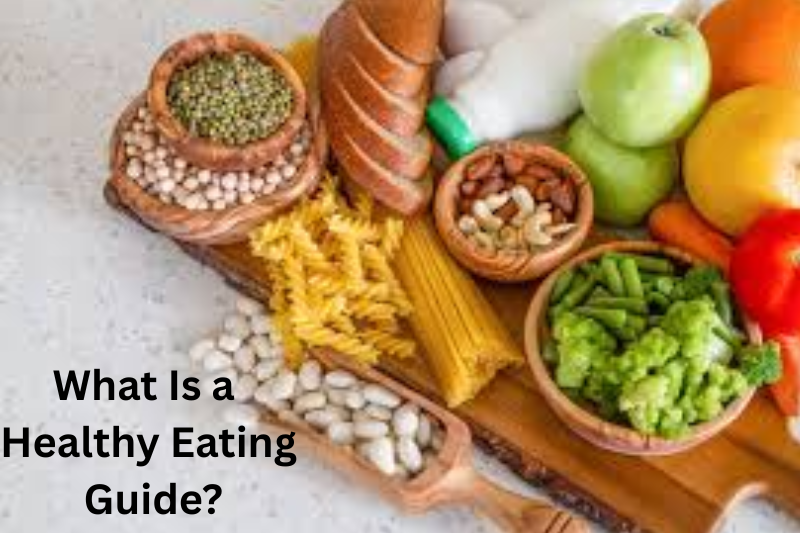
A healthy eating guide is a set of simple principles that help you choose foods that nourish your body. It focuses on balance, variety, and moderation rather than rules and restrictions.
Healthy eating doesn’t mean eating salads all day or giving up your favorite meals. It means learning how to enjoy food while still taking care of your health.
Why Healthy Eating Is Important
Food is more than just something to satisfy hunger. It directly affects how you feel, think, and function every day. Following a healthy eating guide can help you:
- Maintain a healthy weight
- Improve energy levels
- Support brain function and mood
- Strengthen immunity
- Improve digestion
- Reduce the risk of chronic diseases
What you eat today shapes how your body feels tomorrow.
Core Principles of a Healthy Eating Guide
1. Eat More Whole and Natural Foods
Whole foods are foods that are minimally processed and close to their natural form. Examples include:
- Fresh fruits and vegetables
- Whole grains like brown rice and oats
- Lean proteins such as fish, eggs, beans, and chicken
- Nuts, seeds, and healthy oils
These foods are rich in nutrients and help your body function properly.
2. Balance Your Macronutrients
A strong healthy eating guide never removes entire food groups. Your body needs:
- Carbohydrates for energy
- Protein for muscle repair and growth
- Healthy fats for hormones and brain health
Instead of avoiding these, focus on choosing better-quality sources.
3. Practice Portion Control
Healthy eating is not about eating less — it’s about eating right.
A simple portion method:
- Half your plate with vegetables
- One-quarter with protein
- One-quarter with whole grains
This approach helps you eat enough without overeating.
4. Eat Mindfully
Mindful eating means paying attention to your hunger and fullness cues. Try to:
- Eat slowly
- Avoid distractions while eating
- Stop eating when comfortably full
This habit alone can improve digestion and prevent overeating.
Daily Meal Ideas Using a Healthy Eating Guide
Breakfast Options
- Oatmeal topped with fruit and nuts
- Eggs with whole-grain toast and vegetables
- Yogurt with berries and seeds
Lunch Options
- Grilled chicken or tofu salad
- Brown rice with vegetables and beans
- Whole-grain wraps with lean protein
Dinner Options
- Baked fish with roasted vegetables
- Stir-fried vegetables with chicken or tofu
- Lentil or vegetable-based soups
Healthy Snacks
- Fresh fruits
- Nuts (in moderation)
- Hummus with vegetables
Hydration: A Key Part of Healthy Eating
Water is essential for digestion, circulation, and energy. Many people feel tired or unfocused simply because they don’t drink enough water.
Tips:
- Drink water throughout the day
- Reduce sugary drinks
- Herbal teas are a good alternative
Benefits of Following a Healthy Eating Guide
Physical Benefits
- Improved energy levels
- Better digestion
- Stronger immune system
- Healthier skin, hair, and nails
- Better weight management
Mental and Emotional Benefits
- Improved mood
- Better concentration
- Reduced stress around food
- Healthier relationship with eating
Long-Term Health Benefits
- Lower risk of heart disease
- Reduced chance of diabetes
- Improved overall quality of life
Drawbacks and Challenges of Healthy Eating
While a healthy eating guide has many benefits, it’s important to be realistic about potential challenges.
1. Time and Preparation
Preparing healthy meals can take time, especially for beginners. Planning and cooking may feel overwhelming at first.
2. Cost Concerns
Some healthy foods can be more expensive, depending on location and availability. However, simple options like beans, rice, and seasonal vegetables can be affordable.
3. Social and Lifestyle Challenges
Eating healthy can be harder during social events, travel, or busy schedules.
4. Information Overload
Too much nutrition advice online can be confusing and discouraging. A healthy eating guide works best when kept simple.
How to Overcome These Challenges
- Plan meals ahead
- Cook in batches
- Keep simple, affordable staples at home
- Allow flexibility for social occasions
Healthy eating should support your life, not control it.
Common Mistakes to Avoid
- Skipping meals
- Following extreme diets
- Labeling foods as “good” or “bad”
- Expecting instant results
You may also like to read these posts:
Full Body Home Workouts: A Complete Guide to Training Your Entire Body at Home
Home Exercise Routines: A Complete Guide to Staying Fit Without Leaving Your Home
No Equipment Workouts: A Complete Guide to Getting Fit Without the Gym
Home Workouts for Beginners: A Detailed and Honest Guide to Starting Your Fitness Journey
Remember, progress happens over time.
How to Start Using This Healthy Eating Guide Today
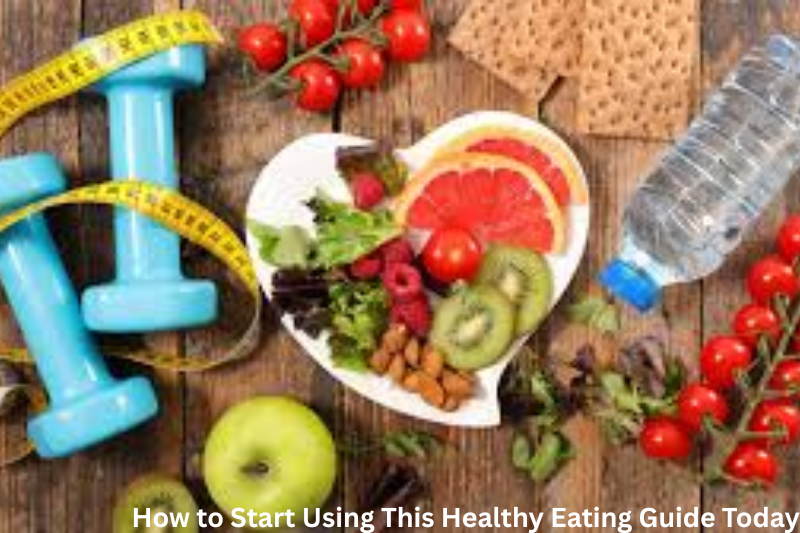
You don’t need to change everything at once. Start with small steps:
- Add more vegetables to meals
- Drink more water
- Choose whole foods more often
- Listen to your hunger cues
Small changes lead to lasting results.
Final Thoughts
Healthy eating is a journey, not a destination. This healthy eating guide is designed to help you eat better in a way that feels realistic, enjoyable, and sustainable.
Be patient with yourself, stay flexible, and focus on progress — not perfection. One healthy choice at a time can make a powerful difference.
FAQs
Q1: Can I still eat my favorite foods while following a healthy eating guide?
Yes! Healthy eating is about balance, not strict restriction. Enjoy treats occasionally without guilt.
Q2: How many meals should I eat per day?
Typically, 3 main meals and 1–2 snacks work well, but listen to your body’s hunger cues.
Q3: Do I need to count calories to eat healthy?
Not necessarily. Focusing on whole foods, portion control, and balanced meals is often more effective and sustainable.
Q4: What if I don’t like vegetables?
Try different cooking methods, incorporate them into soups, smoothies, or mix them with foods you already enjoy.
Q5: How long does it take to see results from healthy eating?
Some improvements like increased energy and better digestion may appear within weeks. Long-term health benefits take consistent effort over months and years.