
Eating healthy sounds simple, but in real life, it often feels confusing. With so many diets, food rules, and nutrition trends, it’s easy to feel lost. That’s why understanding and following practical balanced diet tips can make a huge difference. A balanced diet isn’t about giving up your favorite foods—it’s about creating healthy habits that you can stick to long term.
Let’s walk through everything step by step, just like a friendly conversation.
What Does a Balanced Diet Really Mean?

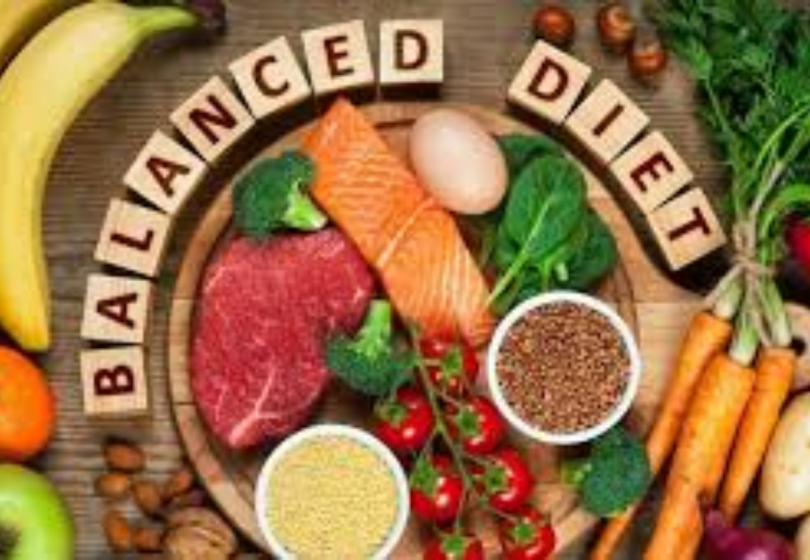
A balanced diet means eating the right amounts of different types of foods so your body gets all the nutrients it needs. These nutrients help your body grow, repair itself, and stay energized.
A balanced diet includes:
- Carbohydrates for energy
- Proteins for muscle and tissue repair
- Healthy fats for brain and heart health
- Vitamins and minerals for immunity and overall well-being
- Fiber for digestion
- Water to support all body functions
The goal is not perfection but balance over time.
Detailed Balanced Diet Tips for Everyday Life
1. Eat a Variety of Foods
One of the most important balanced diet tips is variety. No single food can provide all the nutrients your body needs. Eating different foods ensures you get a wide range of vitamins and minerals.
Try mixing:
- Different fruits and vegetables
- Various protein sources
- Whole grains instead of refined grains
2. Make Fruits and Vegetables a Priority
Fruits and vegetables are packed with essential nutrients and antioxidants. They support digestion, boost immunity, and reduce the risk of many diseases.
Aim for:
- Fresh, frozen, or lightly cooked vegetables
- A variety of colors on your plate
- Seasonal fruits for better taste and nutrition
3. Choose the Right Carbohydrates
Carbohydrates are your body’s main energy source, but not all carbs are the same. Refined carbs can cause energy crashes, while complex carbs provide long-lasting energy.
Better choices include:
- Brown rice
- Whole wheat bread
- Oats
- Quinoa
- Sweet potatoes
4. Include Enough Protein Daily
Protein is essential for muscle health, immunity, and feeling full after meals. Including protein in every meal is one of the most effective balanced diet tips.
Healthy protein sources:
- Eggs
- Fish and lean meat
- Beans and lentils
- Dairy products
- Nuts and seeds
5. Add Healthy Fats in Moderation
Healthy fats help absorb vitamins and support heart and brain health. The key is choosing the right fats and eating them in moderation.
Good fat sources:
- Olive oil
- Avocados
- Nuts and seeds
- Fatty fish like salmon
6. Control Portion Sizes
Even healthy foods can cause weight gain if eaten in excess. Paying attention to portion sizes helps maintain balance without counting calories.
Helpful habits:
- Eat slowly
- Use smaller plates
- Stop eating when you feel satisfied, not stuffed
7. Stay Hydrated Throughout the Day
Water is often overlooked but is a crucial part of a balanced diet. Staying hydrated helps digestion, improves concentration, and prevents fatigue.
Simple hydration tips:
- Drink water before meals
- Carry a water bottle
- Limit sugary drinks
8. Limit Processed and Sugary Foods
Highly processed foods are often high in sugar, salt, and unhealthy fats. While you don’t need to avoid them completely, limiting them is one of the smartest balanced diet tips.
Instead:
- Choose homemade meals more often
- Read food labels
- Save treats for occasional enjoyment
9. Listen to Your Body
Your body gives signals when it’s hungry or full. Learning to listen to these signals helps you eat mindfully and maintain balance.
Benefits of Following Balanced Diet Tips
Following balanced diet tips regularly can lead to many long-term benefits, including:
- Improved energy levels throughout the day
- Better digestion and gut health
- Stronger immune system
- Healthy weight management
- Reduced risk of heart disease, diabetes, and obesity
- Better mental focus and mood
- Healthier skin, hair, and nails
A balanced diet supports both physical and mental well-being.
You may also like to read these posts:
Full Body Home Workouts: A Complete Guide to Training Your Entire Body at Home
Home Exercise Routines: A Complete Guide to Staying Fit Without Leaving Your Home
No Equipment Workouts: A Complete Guide to Getting Fit Without the Gym
Home Workouts for Beginners: A Detailed and Honest Guide to Starting Your Fitness Journey
Drawbacks of a Balanced Diet (Things to Be Aware Of)
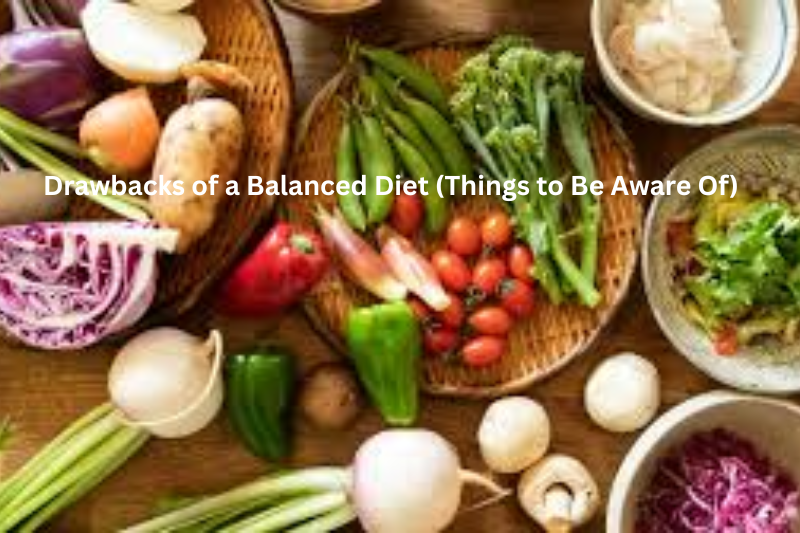
While a balanced diet is generally beneficial, there are a few challenges to keep in mind:
- Requires planning: Preparing balanced meals can take time and effort
- Can feel expensive: Fresh and whole foods may cost more in some areas
- Information overload: Conflicting nutrition advice can cause confusion
- Not one-size-fits-all: Individual needs may vary based on age, health, or lifestyle
The good news is that these drawbacks can be managed with simple planning and realistic expectations.
How to Make a Balanced Diet Sustainable
- Start with small changes
- Don’t aim for perfection
- Plan meals ahead when possible
- Allow flexibility for social events
- Focus on long-term habits, not quick results
Final Thoughts
A balanced diet is not about strict rules or giving up foods you love. It’s about making smarter choices most of the time. By following these balanced diet tips, you can create a healthier relationship with food and support your body in the best way possible.
Remember, balance is a journey, not a destination. Be kind to yourself, enjoy your meals, and focus on progress—one healthy choice at a time.
FAQs
1. What is a balanced diet?
A balanced diet is one that includes the right amounts of carbohydrates, proteins, healthy fats, vitamins, minerals, and water to meet your body’s needs. It’s about variety and moderation, not strict rules or restriction.
2. Why are balanced diet tips important?
Following balanced diet tips helps maintain energy, supports growth and repair, boosts immunity, improves mental focus, and reduces the risk of chronic diseases like heart disease and diabetes.
3. How many meals should I eat per day?
Most people do well with 3 main meals and 1–2 healthy snacks. The key is consistency—don’t skip meals, and try to listen to your hunger cues.
4. Can I eat treats while following a balanced diet?
Yes! One of the most important balanced diet tips is to enjoy treats occasionally. It’s about moderation, not deprivation. Allowing yourself small treats prevents binge eating and makes healthy habits sustainable.
5. Are all fats bad?
No! Healthy fats, like those from avocados, nuts, seeds, and olive oil, are essential for brain and heart health. The trick is choosing good fats and eating them in moderation.