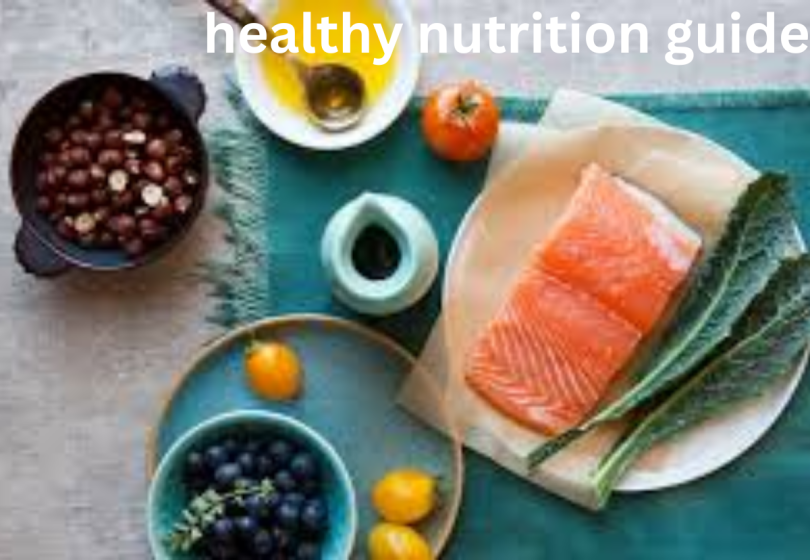

Let’s be honest—eating healthy can feel confusing. One day carbs are bad, the next day fats are the problem. If you’ve ever wondered what actually matters when it comes to food, this healthy nutrition guide is for you.
Think of this as a friendly chat, not a lecture. You don’t need to change everything overnight. With the right understanding and a few smart habits, healthy eating can become simple, enjoyable, and sustainable.
What Is a Healthy Nutrition Guide?
A healthy nutrition guide is a practical framework that helps you choose foods that support your overall health, energy levels, and long-term well-being. It’s not a strict diet or a list of forbidden foods. Instead, it focuses on:
- Balance rather than restriction
- Nourishing your body with the right nutrients
- Creating habits you can maintain long term
- Improving both physical and mental health
Healthy nutrition is about consistency, not perfection.
Core Principles of a Healthy Nutrition Guide
1. Focus on Whole, Natural Foods
Whole foods are foods that are minimally processed and close to their natural form. These foods are rich in nutrients and easier for your body to use.
Examples include:
- Fresh fruits and vegetables
- Whole grains like oats, brown rice, and quinoa
- Lean proteins such as eggs, fish, chicken, beans, and lentils
- Healthy fats like nuts, seeds, olive oil, and avocados
The more your diet is based on whole foods, the healthier it tends to be.
2. Balance Your Macronutrients
A complete healthy nutrition guide always includes the right balance of macronutrients: carbohydrates, proteins, and fats.
Carbohydrates: Fuel for Your Body
Carbohydrates provide your body with energy. Instead of avoiding carbs, choose high-quality sources:
- Whole grains
- Fruits
- Vegetables
- Legumes
Try to reduce refined carbohydrates such as sugary snacks, pastries, and soft drinks.
Protein: For Strength and Repair
Protein is essential for muscle growth, tissue repair, and keeping you full.
Good protein sources include:
- Eggs
- Fish and seafood
- Lean meat and poultry
- Tofu, tempeh, and legumes
Including protein in every meal helps stabilize blood sugar and reduces cravings.
Healthy Fats: Essential, Not Optional
Healthy fats support brain function, hormone balance, and nutrient absorption.
Choose fats from:
- Olive oil
- Nuts and seeds
- Avocados
- Fatty fish like salmon
Moderation is key, but fats should never be eliminated.
Micronutrients: The Hidden Heroes
Vitamins and minerals may be needed in smaller amounts, but they play a huge role in your health.
A healthy nutrition guide encourages:
- Eating a variety of fruits and vegetables
- Choosing different colors for broader nutrient intake
- Avoiding overly restrictive diets that may cause deficiencies
Diversity in your diet equals better nutrition.
Healthy Nutrition Guide for Daily Life
Healthy eating should fit into your routine, even on busy days.
1. Eat Regular Meals
Skipping meals often leads to low energy and overeating later. Aim for consistent meals to keep your metabolism and blood sugar stable.
2. Portion Control Without Stress
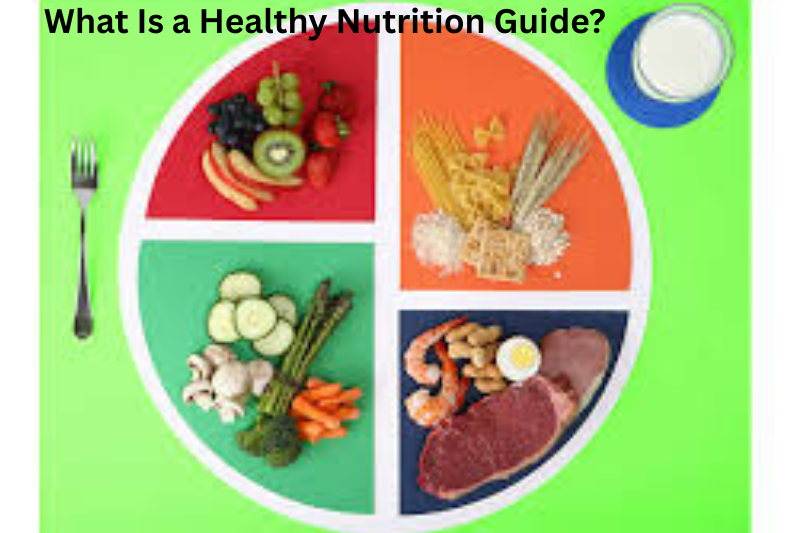
You don’t need to count every calorie. A simple portion guide:
- Half your plate: vegetables
- One-quarter: protein
- One-quarter: whole grains
This method keeps meals balanced without overthinking.
3. Stay Hydrated
Water supports digestion, energy levels, and overall body function. Sometimes thirst feels like hunger, so drinking enough water can prevent unnecessary snacking.
Mindful Eating: A Key Part of a Healthy Nutrition Guide
Mindful eating means paying attention to your food and your body.
Try to:
- Eat slowly
- Enjoy flavors and textures
- Stop eating when comfortably full
- Reduce distractions like phones or TV
This habit improves digestion and helps prevent overeating.
You may also like to read these posts:
Full Body Home Workouts: A Complete Guide to Training Your Entire Body at Home
Home Exercise Routines: A Complete Guide to Staying Fit Without Leaving Your Home
No Equipment Workouts: A Complete Guide to Getting Fit Without the Gym
Home Workouts for Beginners: A Detailed and Honest Guide to Starting Your Fitness Journey
Benefits of Following a Healthy Nutrition Guide
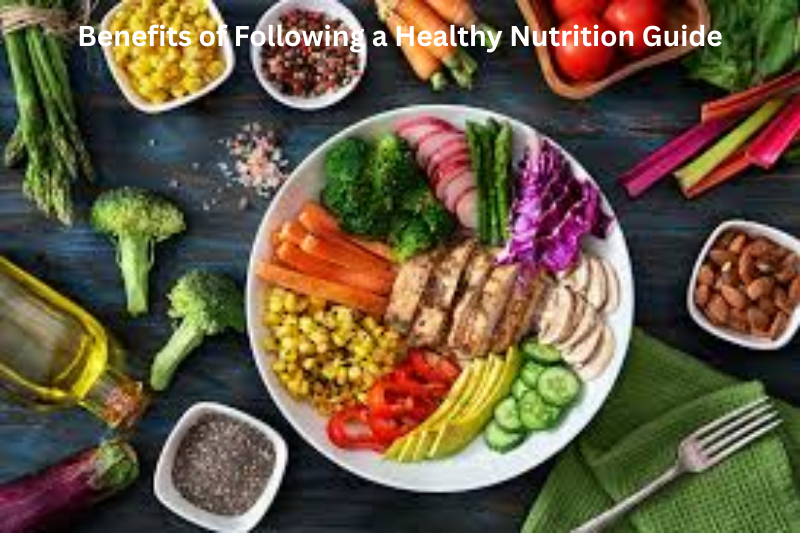
When followed consistently, a healthy nutrition guide offers many benefits:
1. Improved Energy Levels
Eating balanced meals helps maintain steady energy throughout the day without crashes.
2. Better Weight Management
Healthy nutrition supports natural weight balance without extreme dieting.
3. Stronger Immune System
Nutrient-rich foods provide vitamins and minerals that help your body fight illness.
4. Improved Digestion
Fiber-rich foods support gut health and regular digestion.
5. Better Mental Health
Proper nutrition can improve mood, focus, and reduce stress.
6. Long-Term Disease Prevention
A healthy diet lowers the risk of heart disease, diabetes, and other chronic conditions.
Drawbacks and Challenges of a Healthy Nutrition Guide
While healthy nutrition has many benefits, it’s important to be realistic about the challenges.
1. Requires Planning and Consistency
Healthy eating often requires meal planning, grocery shopping, and cooking, which can feel time-consuming.
2. Initial Adjustment Period
Switching from processed foods to whole foods may feel difficult at first, especially if you’re used to sugary or fast foods.
3. Cost Concerns
Some healthy foods can be more expensive, though smart shopping and meal planning can help manage costs.
4. Information Overload
Conflicting nutrition advice online can cause confusion. That’s why sticking to a simple healthy nutrition guide is important.
5. Social and Lifestyle Challenges
Eating healthy can be harder during social events, travel, or busy work schedules.
How to Overcome These Challenges
- Start with small changes
- Plan simple meals
- Don’t label foods as “good” or “bad”
- Allow flexibility and occasional treats
- Focus on long-term habits, not quick results
Final Thoughts
This healthy nutrition guide is about building a positive relationship with food. You don’t need extreme rules or perfect discipline. What matters most is making better choices most of the time.
Healthy eating is a journey. Be patient with yourself, stay consistent, and remember—every small step counts.
If you’d like, I can now:
- SEO-optimize this article
- Turn it into a pillar blog post
- Create a short version or FAQs
- Adapt it for weight loss, fitness, or beginners
FAQs
1. What is a healthy nutrition guide?
A healthy nutrition guide is a practical roadmap to help you make food choices that improve your overall health, energy levels, and wellbeing. It emphasizes balance, variety, and sustainable habits instead of strict dieting.
2. Why is eating whole foods important?
Whole foods are minimally processed and rich in vitamins, minerals, fiber, and antioxidants. They provide better nutrition than processed foods, help maintain energy, and support long-term health.
3. Are carbohydrates bad for me?
No! Carbohydrates are your body’s primary energy source. The key is to choose complex carbs like whole grains, fruits, vegetables, and legumes, while limiting refined sugars and processed foods.
4. How much protein should I eat daily?
Protein needs vary based on age, weight, and activity level. A general guideline is 0.8–1 gram per kilogram of body weight. Active individuals or those building muscle may need more. Protein helps with muscle repair, satiety, and blood sugar balance.
5. Are fats unhealthy?
Not all fats are bad. Healthy fats, such as those found in olive oil, avocados, nuts, seeds, and fatty fish, are essential for brain function, hormone balance, and nutrient absorption. Limit trans fats and excessive saturated fats.