
If you’re thinking about getting fit but feel nervous, confused, or overwhelmed, let me tell you something first—you’re not alone. Everyone starts somewhere. The good news is that home workouts for beginners are one of the easiest, safest, and most comfortable ways to begin exercising, especially if gyms feel intimidating or expensive.
This guide is written like I’m talking directly to you, not at you. No complicated fitness language, no pressure—just simple advice to help you start moving and feeling better.
What Are Home Workouts for Beginners?
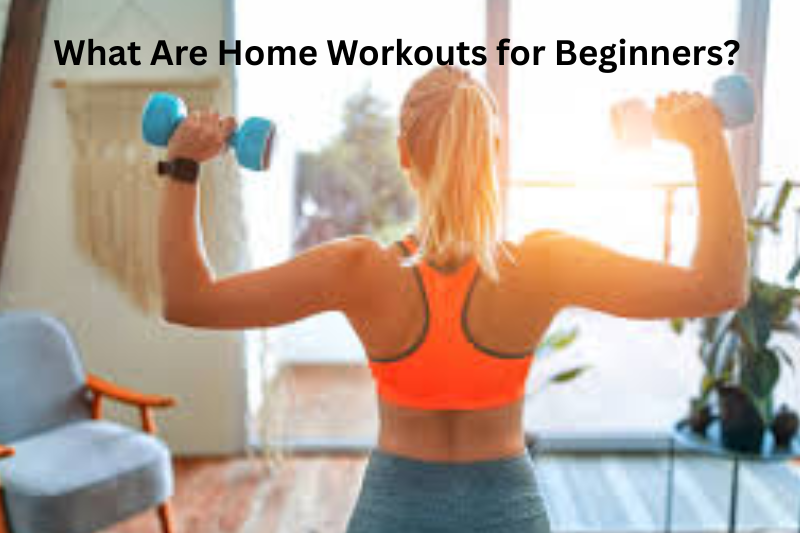
Home workouts for beginners are simple exercise routines you can do at home without advanced equipment or prior fitness experience. These workouts focus on:
- Easy-to-learn movements
- Bodyweight exercises
- Low impact on joints
- Gradual progress
They are designed to help beginners build strength, flexibility, and confidence at their own pace.
Why Home Workouts Are Ideal for Beginners
Starting at home removes many barriers that stop people from exercising. You don’t need to worry about how you look, how fast you’re going, or whether you’re doing everything perfectly.
Here’s why home workouts for beginners work so well:
- You’re in a familiar, comfortable environment
- You can pause or rest anytime
- You control your schedule
- There’s no pressure to keep up with others
This makes it much easier to stay consistent, which is the real secret to fitness.
What You Need to Get Started (Very Minimal!)
One of the best things about home workouts is how little you need.
Essentials:
- Comfortable clothes
- A small open space
- Water bottle
- Motivation (even a little is enough)
Optional but Helpful:
- Yoga mat or towel
- Chair
- Light weights (or water bottles)
That’s it. No expensive gear required.
The Importance of Warming Up
Before any home workouts for beginners, warming up is non-negotiable. It prepares your muscles, improves blood flow, and reduces the risk of injury.
Simple 5–7 Minute Warm-Up:
- March in place – 1 minute
- Arm circles – 30 seconds
- Shoulder rolls – 30 seconds
- Side steps – 1 minute
- Gentle jumping jacks or step jacks – 1 minute
- Light stretching – 1–2 minutes
You should feel warm and loose, not tired.
Best Home Workout Exercises for Beginners
Let’s talk about beginner-friendly exercises that target your whole body without being overwhelming.
1. Squats
Works legs, glutes, and core.
- Stand with feet shoulder-width apart
- Push hips back like sitting in a chair
- Stand up slowly
Beginner goal: 10–12 reps
2. Wall Push-Ups
Perfect alternative to floor push-ups.
- Face a wall
- Place hands at shoulder height
- Bend elbows and push back
Beginner goal: 8–10 reps
3. Knee Plank
Builds core strength.
- Knees on floor, hands under shoulders
- Keep back straight
- Hold and breathe
Beginner goal: 15–30 seconds
4. Standing Leg Raises
Improves balance and leg strength.
- Lift one leg to the side or back
- Lower slowly
Beginner goal: 10 reps per leg
5. Marching in Place
Simple cardio for heart health.
- Lift knees alternately
- Swing arms naturally
Beginner goal: 1–2 minutes
Sample Home Workout for Beginners (20 Minutes)
Here’s a full routine you can follow:
- Squats – 12 reps
- Wall push-ups – 10 reps
- Marching in place – 1 minute
- Standing leg raises – 10 reps each leg
- Knee plank – 20 seconds
Rest for 30–60 seconds.
Repeat the circuit 2–3 times depending on your comfort level.
Cool Down and Stretching (Don’t Skip This)
Cooling down helps your body relax and recover.
Simple Cool Down:
- Hamstring stretch – 30 seconds
- Shoulder stretch – 30 seconds
- Arm stretch – 30 seconds
- Deep breathing – 1–2 minutes
This reduces muscle soreness and improves flexibility.
Benefits of Home Workouts for Beginners
Let’s be honest—there are many great reasons why home workouts are so popular.
1. Convenience
You can work out anytime without traveling.
2. Cost-Effective
No gym fees or expensive equipment.
3. Beginner-Friendly
You can learn at your own pace without embarrassment.
4. Builds Consistency
It’s easier to stick to a routine at home.
5. Improves Overall Health
Regular home workouts help with:
- Weight management
- Better energy levels
- Improved mood
- Better sleep
6. Boosts Confidence
As you get stronger, your confidence grows naturally.
Drawbacks of Home Workouts for Beginners
While home workouts are great, it’s important to be honest about the downsides too.
1. Limited Equipment
You may not progress as fast without weights or machines.
2. Lack of Professional Guidance
Without a trainer, beginners may struggle with form.
3. Distractions at Home
TV, phone, or family can interrupt workouts.
4. Motivation Can Drop
Without accountability, it’s easy to skip days.
5. Slower Muscle Growth
Advanced strength goals may require gym equipment later.
Good news: Most of these drawbacks can be managed with consistency, proper learning, and gradual progression.
How Often Should Beginners Work Out at Home?
For best results:
- 3–4 days per week
- 20–30 minutes per session
Rest days are important. Your body needs time to recover and get stronger.
You may also like to read these posts:
Daily Home Workout Plan: A Complete and Detailed Guide for a Healthier Life
Easy Home Workouts: A Simple and Practical Way to Stay Fit at Home
Full Body Home Workouts: A Complete Guide to Training Your Entire Body at Home
Home Exercise Routines: A Complete Guide to Staying Fit Without Leaving Your Home
Tips to Stay Consistent and Motivated
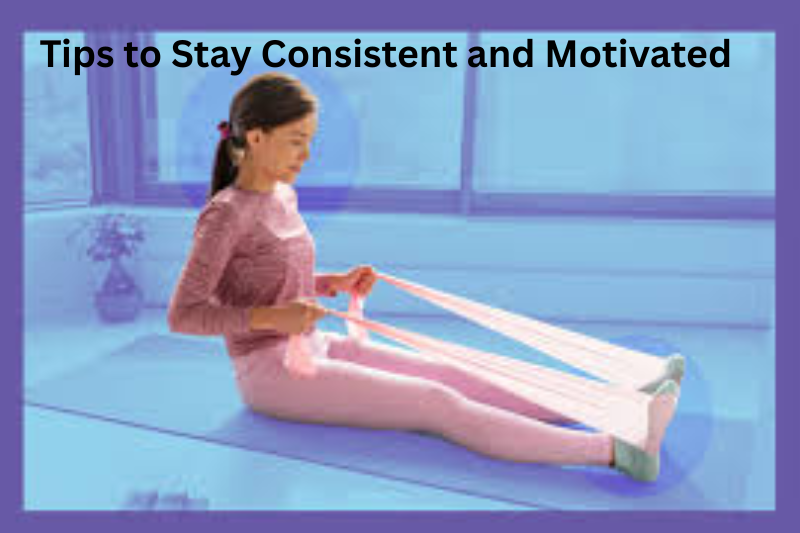
Sticking to home workouts for beginners is easier when you:
- Start small and realistic
- Track your progress
- Follow a routine
- Play music you enjoy
- Focus on how you feel, not just results
Remember, progress is not about perfection—it’s about showing up.
Final Thoughts
Starting your fitness journey doesn’t require confidence—you build confidence by starting. Home workouts for beginners are a safe, affordable, and effective way to improve your health without pressure.
Take it slow. Listen to your body. Celebrate small wins.
FAQs
1. Do I need equipment for home workouts for beginners?
No! Most beginner workouts use your body weight. Optional equipment like a yoga mat, chair, or light dumbbells can help, but you can get started without any gear.
2. How long should my home workouts last?
For beginners, 15–30 minutes per session is perfect. Focus on consistency rather than duration. Short, regular workouts are more effective than occasional long ones.
3. How often should I exercise at home as a beginner?
Aim for 3–4 days per week. This gives your body time to recover while building a habit. You can start with less and gradually increase as you feel comfortable.
4. Can home workouts help me lose weight?
Yes! Combined with a healthy diet, home workouts for beginners can help burn calories, build muscle, and improve metabolism, all of which contribute to weight loss over time.
5. How do I avoid injury while working out at home?
Always start with a warm-up, focus on proper form, and listen to your body. Begin with low-intensity exercises and gradually increase intensity. Cooling down and stretching after workouts is also crucial.