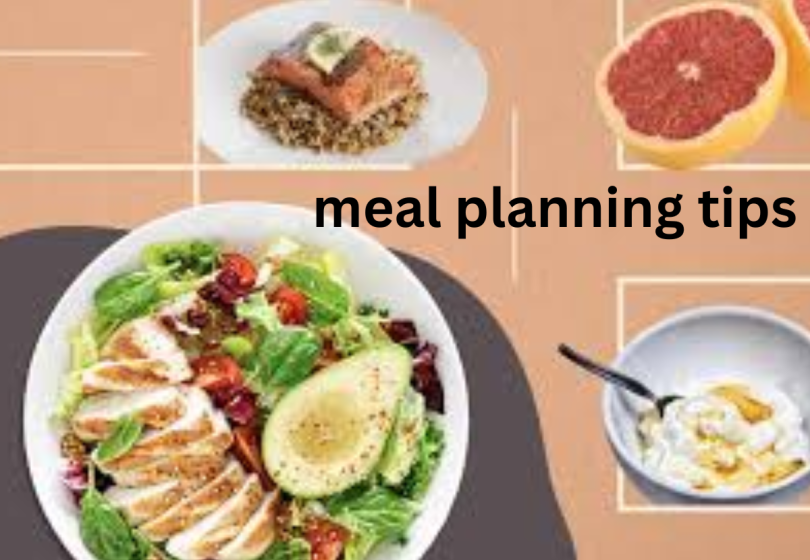

Have you ever stood in your kitchen, opened the fridge, and thought, “What am I even going to eat today?” If yes, you’re definitely not alone. This is exactly why learning and using the right meal planning tips can make such a big difference in everyday life.
Meal planning isn’t about strict diets or fancy recipes. It’s simply about deciding in advance what you’re going to eat, so you’re not stressed, rushed, or tempted by unhealthy choices. Let’s walk through everything you need to know—step by step—in a simple, practical, and friendly way.
What Is Meal Planning?
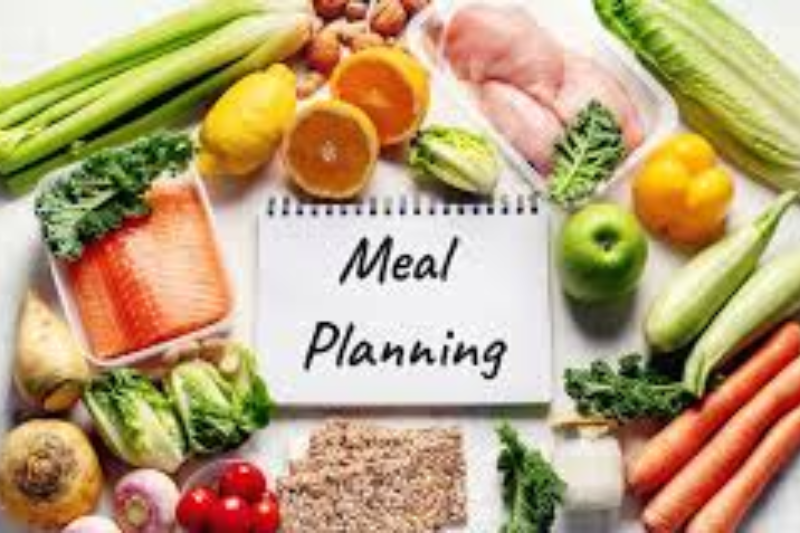
Meal planning means deciding your meals ahead of time—usually for a few days or a full week. This includes:
- What meals you’ll cook
- What ingredients you’ll need
- When you’ll cook them
Using smart meal planning tips, you can save time, money, and energy while eating better.
Why Meal Planning Matters So Much
Life is busy. Between work, family, and personal responsibilities, food often becomes an afterthought. Without planning, this can lead to:
- Last-minute takeout
- Skipping meals
- Eating unhealthy processed foods
Meal planning puts you back in control and helps you make better choices without daily stress.
Practical Meal Planning Tips That Actually Work
1. Start Small and Keep It Simple
One of the most important meal planning tips is not to overdo it.
You don’t need to plan every meal for the entire month. Start with:
- 3–4 dinners per week
- Or just weekday meals
Once you feel comfortable, you can plan more.
2. Plan Meals You Truly Enjoy
Meal planning is not about forcing yourself to eat food you don’t like.
Choose meals that:
- You enjoy eating
- Your family enjoys
- Fit your cooking skill level
If the meals aren’t appealing, the plan won’t last.
3. Create a Go-To Meal List
This is one of the most powerful meal planning tips.
Make a list of:
- Easy meals you already know how to cook
- Meals that take 30 minutes or less
- Budget-friendly recipes
When planning feels overwhelming, simply pick from this list.
4. Match Meals With Your Weekly Schedule
Not all days are equal, so your meals shouldn’t be either.
For example:
- Busy days → quick meals or leftovers
- Relaxed days → home-cooked or new recipes
- Long workdays → slow-cooker or one-pot meals
This approach makes meal planning realistic and sustainable.
5. Build a Smart Grocery List
After planning your meals, write a grocery list based only on those meals.
Helpful tips:
- Check your pantry before shopping
- Avoid buying unnecessary items
- Shop once a week if possible
This step connects meal planning to real results.
6. Cook Once, Eat More Than Once
Another essential meal planning tip is batch cooking.
Examples:
- Cook extra rice, pasta, or chicken
- Prepare soups, stews, or casseroles
- Use leftovers for lunches
This saves time and reduces daily cooking stress.
7. Stay Flexible, Not Perfect
Meal plans are guides, not rules.
If:
- You swap meals between days
- You eat out unexpectedly
- You skip a planned meal
That’s completely fine. Flexibility is key to long-term success.
8. Use Tools That Work for You
You don’t need fancy apps to succeed.
Use whatever feels comfortable:
- A notebook
- Phone notes
- A whiteboard on the fridge
The best meal planning tips are the ones that fit your lifestyle
Benefits of Meal Planning
Using effective meal planning tips comes with many benefits:
1. Saves Time
No more daily decisions or last-minute cooking stress.
2. Saves Money
You buy only what you need and reduce food waste.Planned meals usually mean fewer processed foods and better nutrition.
3. Reduces Stress
Knowing what’s for dinner gives peace of mind.
4. Improves Consistency
You may also like to read these posts:
Full Body Home Workouts: A Complete Guide to Training Your Entire Body at Home
Home Exercise Routines: A Complete Guide to Staying Fit Without Leaving Your Home
No Equipment Workouts: A Complete Guide to Getting Fit Without the Gym
Home Workouts for Beginners: A Detailed and Honest Guide to Starting Your Fitness Journey
You’re more likely to stick to healthy habits when meals are planned.
Drawbacks of Meal Planning
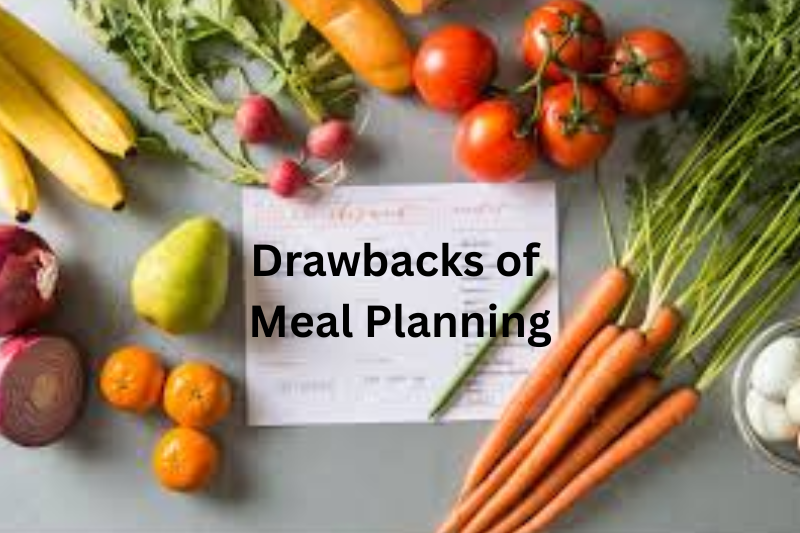
While meal planning has many advantages, it’s also important to be realistic.
1. Takes Time at First
Planning meals and making lists can feel time-consuming in the beginning.
2. Can Feel Restrictive
Some people feel limited if plans are too strict.
3. Requires Flexibility
Unexpected events can disrupt plans.
4. Not Ideal for Everyone
People with unpredictable schedules may need looser planning.
The good news? Most drawbacks disappear when meal planning is kept flexible and simple.
How to Overcome Meal Planning Challenges
- Keep backup meals for busy days
- Plan flexible options instead of fixed days
- Allow room for eating out occasionally
These small adjustments make meal planning easier and more enjoyable.
Final Thoughts
Meal planning doesn’t have to be complicated or boring. With the right meal planning tips, you can eat better, save money, and reduce daily stress—without feeling overwhelmed.
Start small, stay flexible, and focus on progress, not perfection. Once meal planning becomes a habit, it truly changes how you approach food and daily life.
FAQS
1. What is meal planning?
Meal planning is simply deciding in advance what you’re going to eat for a day, a few days, or a week. It includes planning meals, snacks, and making a grocery list based on what you need. It helps save time, money, and reduces stress around food.
2. Why is meal planning important?
Meal planning helps you:
Eat healthier meals
Avoid last-minute takeout
Reduce food waste
Save time and money
3. How do I start meal planning if I’m new?
Start small. Don’t try to plan every meal for the whole week. Focus on one or two meals a week at first, like dinners. Once you’re comfortable, expand to other meals like breakfasts and lunched.
4. How many days should I plan at a time?
Most people find planning 3–7 days works best. Three days is great if your schedule is unpredictable, while a full week works if your routine is more consistent. Find what suits your lifestyle.
5. Do I need to cook every day?
Not at all! One of the best meal planning tips is to cook once and eat multiple times. Batch cooking, leftovers, and easy-to-reheat meals can save hours during the week.