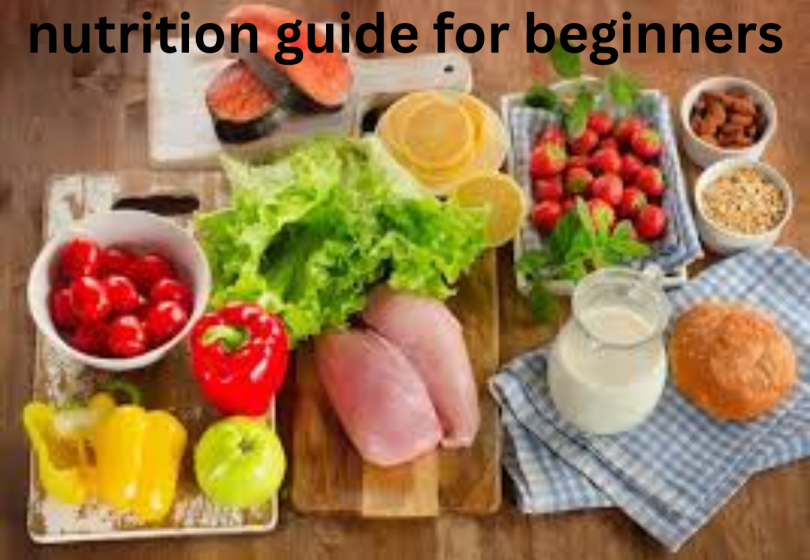

If you’re just starting your health journey, let me tell you something first—you don’t need to be perfect. You don’t need fancy superfoods or strict diets either. You just need the right information explained in a simple way. That’s exactly what this nutrition guide for beginners is all about.
Think of this article as a friendly conversation where I help you understand nutrition step by step, without confusing terms or pressure.
What Is Nutrition? (In Simple Words)

Nutrition is the process of giving your body the right food so it can work properly. Every time you eat, you’re either helping your body or making it work harder than it should.
Good nutrition helps you:
- Feel more energetic
- Improve focus and mood
- Maintain a healthy weight
- Strengthen immunity
- Reduce the risk of diseases
This nutrition guide for beginners focuses on long-term health, not short-term results.
Understanding the Core Nutrients (The Foundation of Nutrition)
Let’s break down the main nutrients your body needs in a very simple way.
1. Carbohydrates: Your Body’s Energy Source
Carbohydrates are your body’s main fuel. Without carbs, you may feel tired, weak, or irritated.
Healthy carbohydrate sources:
- Whole grains (brown rice, oats, whole wheat bread)
- Fruits
- Vegetables
- Potatoes and sweet potatoes
What to avoid:
Refined carbs like white sugar, pastries, and sugary drinks.
Beginner tip: Carbs are not the enemy. The type of carbs matters more than the amount.
2. Protein: For Strength and Repair
Protein helps build muscles, repair body tissues, and keep you full for longer periods.
Good protein sources:
- Eggs
- Chicken, fish, and lean meat
- Lentils and beans
- Dairy products
- Nuts and seeds
In this nutrition guide for beginners, remember this simple rule:
Try to include protein in every meal.
3. Fats: Not All Fats Are Bad
Fats support brain function, hormone production, and vitamin absorption.
Healthy fats include:
- Olive oil
- Avocados
- Nuts and seeds
- Fatty fish
Unhealthy fats to limit:
- Trans fats
- Deep-fried foods
- Packaged snacks
4. Vitamins and Minerals: Small but Powerful
These nutrients protect your body and support vital functions like bone health, immunity, and metabolism.
Best sources:
- Fresh fruits
- Vegetables
- Whole foods
A good rule from this nutrition guide for beginners: Eat a variety of colors on your plate.
5. Water: The Most Ignored Nutrient
Water helps with digestion, circulation, and detoxification.
Beginner goal:
Drink at least 6–8 glasses of water daily, more if you’re active or live in a hot climate.
How to Create a Balanced Meal (No Counting Calories)
You don’t need to count calories to eat well. Use this easy plate method:
- 50% vegetables and fruits
- 25% protein
- 25% carbohydrates
A small portion of healthy fats
This approach keeps meals balanced and sustainable, which is the core idea of this nutrition guide for beginners.
Benefits of Following a Nutrition Guide for Beginners
Here are the key benefits you can expect when you follow a basic nutrition plan:
1. Better Energy Levels
Eating balanced meals keeps your blood sugar stable, helping you feel active throughout the day.
2. Improved Digestion
Whole foods and fiber help your digestive system work smoothly.
3. Healthy Weight Management
Proper nutrition supports natural weight balance without extreme dieting.
4. Stronger Immunity
Vitamins, minerals, and antioxidants help your body fight illnesses.
5. Better Mental Health
Good nutrition can improve mood, focus, and reduce stress levels.
Drawbacks and Challenges Beginners May Face
It’s important to be realistic. While nutrition has many benefits, beginners may face some challenges.
1. Initial Confusion
With so much information online, it’s easy to feel overwhelmed at first.
2. Slow Results
Healthy eating doesn’t give instant results like crash diets, which can feel discouraging.
3. Social and Lifestyle Challenges
Eating healthy can be harder during social events or busy schedules.
4. Cost Concerns
Some healthy foods may seem expensive, though simple home-cooked meals are often affordable.
You may also like to read these posts:
Full Body Home Workouts: A Complete Guide to Training Your Entire Body at Home
Home Exercise Routines: A Complete Guide to Staying Fit Without Leaving Your Home
No Equipment Workouts: A Complete Guide to Getting Fit Without the Gym
Home Workouts for Beginners: A Detailed and Honest Guide to Starting Your Fitness Journey
Tip: These drawbacks become easier to manage with time and consistency.
Common Nutrition Mistakes Beginners Should Avoid
This nutrition guide for beginners wouldn’t be complete without warning you about common mistakes:
- Skipping meals
- Cutting out carbs completely
- Relying only on supplements
- Eating too little
- Expecting fast results
Nutrition is about balance, not extremes.
Do Beginners Need Supplements?
Most beginners don’t need supplements if they eat a balanced diet. However, some people may need:
- Vitamin D
- Iron
- Vitamin B12
Always consult a healthcare professional before taking supplements.
Final Thoughts: Keep It Simple and Consistent
The biggest lesson from this nutrition guide for beginners is this:
You don’t need to be perfect—you just need to be consistent.
Start small. Add more vegetables. Drink more water. Choose whole foods more often. Over time, these small steps lead to big changes.
FAQs
1. What is a nutrition guide for beginners?
A nutrition guide for beginners is a simple roadmap to help you understand what to eat, how much to eat, and which foods give your body the nutrients it needs. It focuses on creating healthy, balanced meals without confusing rules or extreme diets.
2. Do I need to count calories to follow a nutrition guide?
No! Counting calories isn’t necessary for beginners. A better approach is to focus on balanced meals with vegetables, protein, healthy carbs, and fats. Listening to your hunger cues is often enough to guide you.
3. How much water should I drink daily?
Aim for at least 6–8 glasses (about 2 liters) of water per day. If you exercise, live in a hot climate, or sweat a lot, you may need more. Water helps digestion, circulation, and overall health.
4. Are carbohydrates bad for me?
Not at all! Carbs are your body’s main energy source. The key is to choose healthy carbs like whole grains, fruits, and vegetables, and avoid refined sugars or processed foods.
5. Can I get all my nutrients from food alone?
Yes, most people can get all their nutrients from a balanced diet. Supplements are only needed in specific cases, like vitamin D deficiency or iron deficiency, and should be taken under professional advice.