
If you’re new to fitness and thinking about lifting weights, let me start by saying this: you’re making a smart decision. Beginner strength training isn’t just for athletes or gym lovers—it’s for real people who want to feel stronger, healthier, and more confident in their everyday lives.
Still, it’s normal to feel confused or even a little scared. Questions like “Am I doing this right?” or “What if I hurt myself?” come up all the time. That’s why this guide walks you through everything—slowly, honestly, and without pressure.
Let’s get into it.
What Is Beginner Strength Training?
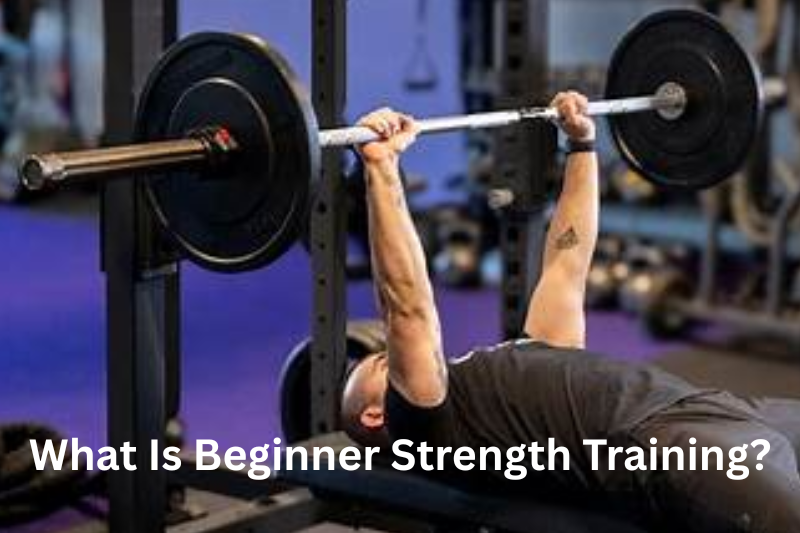
Beginner strength training is a form of exercise where you use resistance to strengthen your muscles. That resistance can come from:
- Your own body weight
- Dumbbells or kettlebells
- Resistance bands
- Gym machines
The goal isn’t to lift heavy or train like a bodybuilder. The goal is to teach your body how to move properly, build muscle gradually, and create a strong foundation you can build on later.
Why Beginner Strength Training Is So Important
Many beginners focus only on cardio like walking or running, which is great—but strength training offers benefits that cardio alone can’t.
When you start beginner strength training, you’re not just exercising; you’re training your body to be more capable in daily life—lifting groceries, climbing stairs, carrying kids, or simply standing taller with better posture.
Major Benefits of Beginner Strength Training
Let’s talk about the real benefits you can expect when you stick with it.
1. Builds Strength and Muscle Safely
As a beginner, your body adapts quickly. Even light weights can help you build muscle and strength without stressing your joints.
2. Boosts Metabolism
Muscle burns more calories than fat—even at rest. Beginner strength training helps increase your metabolism, which supports healthy weight management.
3. Improves Bone Health
Strength training puts healthy stress on bones, helping them become stronger and reducing the risk of osteoporosis later in life.
4. Enhances Posture and Balance
Strong muscles support your spine and joints. This means better posture, improved balance, and fewer aches and pains.
5. Supports Mental Health
Strength training reduces stress, boosts mood, and builds confidence. Watching yourself get stronger feels incredibly empowering.
6. Reduces Risk of Injury
By strengthening muscles and connective tissues, beginner strength training makes your body more resilient to everyday injuries.
Are There Any Drawbacks? (Yes, and You Should Know Them)
Beginner strength training is very safe when done correctly—but it’s only fair to talk about possible drawbacks.
1. Risk of Injury If Form Is Poor
Lifting with incorrect form can strain muscles or joints. This is why starting slow and focusing on technique is crucial.
2. Delayed Muscle Soreness (DOMS)
You may feel sore 24–48 hours after workouts. This is normal, especially at the beginning, but it can feel uncomfortable.
3. Progress Can Feel Slow
Unlike cardio, results from beginner strength training aren’t always immediate. Strength builds over time, which can test your patience.
4. Requires Consistency
Missing workouts regularly can slow progress. Strength training works best when done consistently.
Good news: All these drawbacks can be minimized with proper guidance, rest, and realistic expectations.
What You Need to Start Beginner Strength Training
You don’t need an expensive gym membership or fancy equipment.
Optional Equipment
- Light dumbbells
- Resistance bands
- A yoga or exercise mat
Essentials
- Comfortable clothes
- A small workout space
- Willingness to learn
That’s enough to get started.
You may also like to read these posts:
Full Body Home Workouts: A Complete Guide to Training Your Entire Body at Home
Home Exercise Routines: A Complete Guide to Staying Fit Without Leaving Your Home
No Equipment Workouts: A Complete Guide to Getting Fit Without the Gym
Home Workouts for Beginners: A Detailed and Honest Guide to Starting Your Fitness Journey
Core Principles Every Beginner Should Follow
These rules will keep you safe and help you see results faster.
Start Light and Progress Slowly
Always begin with weights you can control. You can increase resistance later.
Focus on Form Over Weight
Good form protects you from injury and ensures the right muscles are working.
Rest Is Not Laziness
Muscles grow during rest. Training 2–3 days per week is ideal for beginners.
Listen to Your Body
Mild soreness is normal. Sharp pain is not. Rest when needed.
Best Beginner Strength Training Exercises
Here are simple, effective exercises that work your entire body.
Squats
Targets legs and glutes
Improves mobility and daily movement
Push-Ups (Wall, Knee, or Incline)
Strengthens chest, shoulders, and arms
Can be easily modified for beginners
Dumbbell or Band Rows
Builds back strength
Helps correct poor posture
Glute Bridges
Strengthens hips and lower back
Great for people who sit a lot
Planks
Builds core strength
Improves balance and stability
Sample Beginner Strength Training Workout
Perform this routine 2–3 times per week:
- Squats – 3 sets of 10–12 reps
- Push-Ups – 3 sets of 8–10 reps
- Rows – 3 sets of 10 reps
- Glute Bridges – 3 sets of 12 reps
- Plank – 3 rounds of 20–30 seconds
Rest 60–90 seconds between sets.
How Long Does It Take to See Results?
Everyone progresses differently, but here’s a realistic timeline:
- Week 1–2: Improved energy and movement
- Week 3–4: Strength increases, workouts feel easier
- Week 6–8: Visible muscle tone and better posture
Consistency matters more than intensity.
Beginner Strength Training vs Cardio
Both are important, but strength training offers long-term benefits that cardio alone can’t provide. Ideally, combine both for best results.
Strength training builds your body.
Cardio supports your heart.
Together, they’re powerful.
Final Thoughts
Beginner strength training is one of the most rewarding habits you can build. Yes, it requires patience and effort—but the benefits far outweigh the drawbacks. You’ll become stronger, more confident, and more capable in everyday life.
Start small. Stay consistent. Trust the process.
You don’t need to be strong to begin.
You begin to become strong.
Beginner Strength Training FAQs
1. How often should a beginner do strength training?
For most beginners, 2–3 sessions per week is perfect. This allows your muscles to recover and grow while keeping you consistent. Each session can last 30–45 minutes.
2. Do I need a gym to start?
Not at all! Beginner strength training can be done at home using your body weight, resistance bands, or light dumbbells. A small space and a mat are enough.
3. How much weight should I start with?
Start with a weight that feels manageable and allows you to complete 8–12 reps with good form. If it feels too easy after a week or two, you can increase the weight slightly.
4. Will I get bulky if I start lifting weights?
No! For beginners, strength training will usually make you leaner and stronger, not bulky. Getting really big muscles requires years of heavy lifting and very specific nutrition.
5. What if I feel sore after workouts?
Mild soreness, called Delayed Onset Muscle Soreness (DOMS), is normal in the first few weeks. Stretching, hydration, and rest will help. If you feel sharp pain, stop and check your form.